The Long Road to a Memorial (1922–1926)
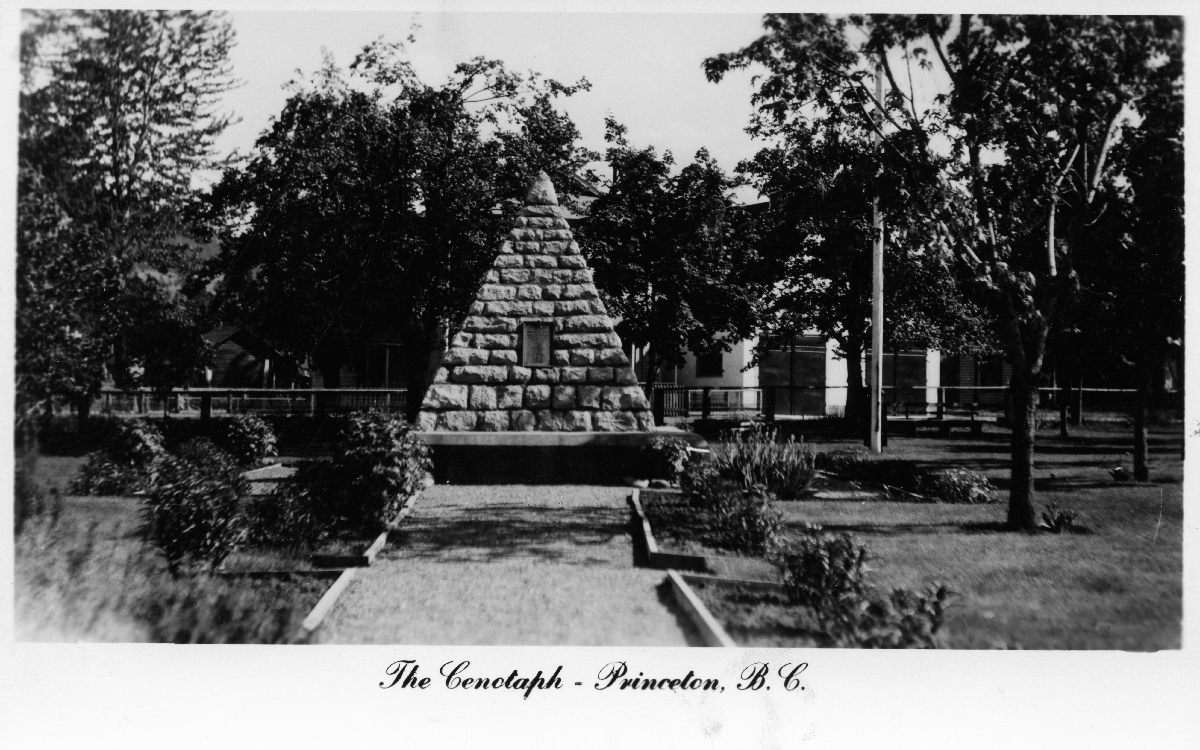
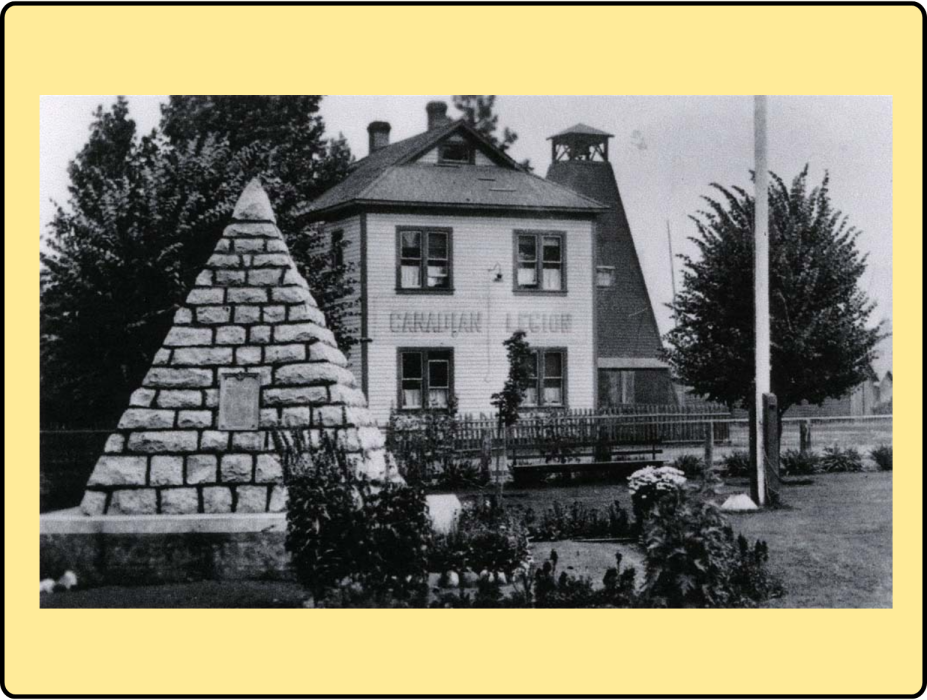
The Cenotaph was completed in 1926, but its story begins four years earlier. In the early 1920s, Canada was still recovering from the economic aftershocks of the First World War. Princeton, like many small towns, struggled with limited resources and a population trying to rebuild their lives. However, the veterans who returned home understood that their fallen comrades deserved more than fading memories. They deserved a place where their names and their sacrifices would endure.
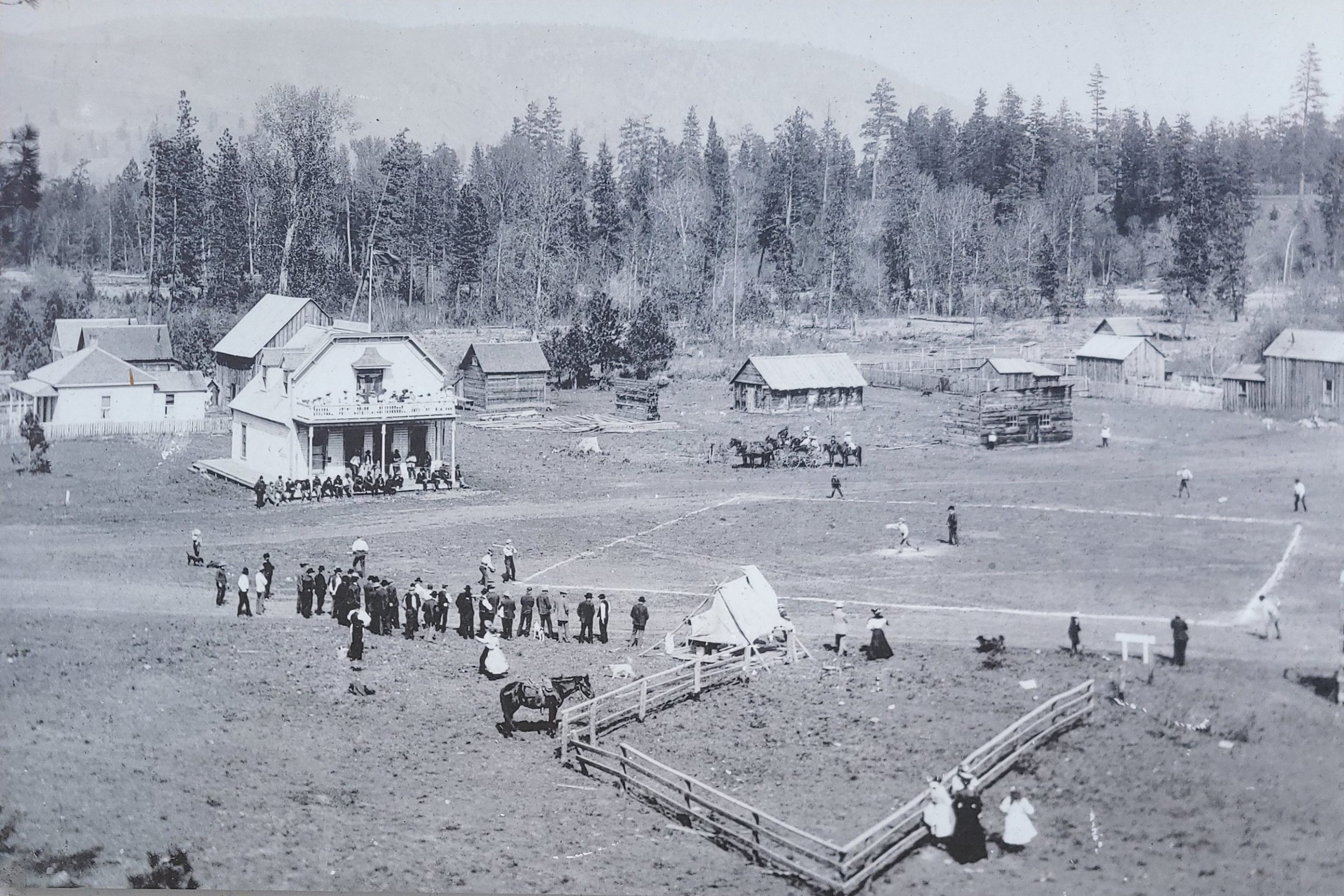
Before Veterans Square was designated, the space was used for community events including baseball and horse racing.
In 1922, the first fundraising efforts began. Poppies were sold for 25 cents each, with half the proceeds supporting members of the Great War Veterans’ Association (G.W.V.A.) and the other half going toward the Princeton Cenotaph Project. Money was scarce, but generosity was not. The women of Princeton donated their labour. They cooked and decorated while the men paid admission fees and contributed what they could. Every dollar mattered.
On November 17, 1922, the first major fundraiser was held. It was a dance organized by the returning soldiers. Everything used to make the event possible came from donations. Despite the town’s financial hardship, the dance raised $111.65, which was a significant sum at the time. Even with this early financial success, the project still lacked structure and direction. This led to the formation of the Memorial Committee, who began shaping ideas for what the memorial could be.
A Project Stalls but Never Falls
By 1923, the Memorial Committee decided the memorial should not be a building, believing a place of remembrance should never double as a venue for entertainment. Ideas were plentiful, but the town was not yet ready. Financial plans were incomplete, and the project stalled. Many began to doubt it would ever happen.
In 1924, with no progress in sight, the Ex‑Service Men’s Association requested that the $111.65 raised two years earlier be either used immediately or donated to veterans in need. Given the ongoing economic strain, the money was ultimately redirected to support local veterans. The Cenotaph project, it seemed, had reached a dead end.
A Revival Sparked by Community Pride
The turning point came in 1925 at the annual “smoker”, which was a men’s social gathering. Dr. Lee Smith publicly criticized the town for being one of the only communities of its size without a memorial to its fallen soldiers. His remarks struck a nerve. The Princeton Star published his words, and the community responded with overwhelming support. Even in difficult times, residents understood the importance of honouring those who fought for our freedoms.
The idea for the Cenotaph was reborn.
P.W. Gregory wrote to The Princeton Star, reminding the town of its earlier promise to build a memorial when finances permitted. Princeton’s economy was improving, and with renewed determination, the project was officially approved. The Cenotaph Memorial Project was granted land at the corner of Vermilion and Bridge Street. This put to rest any lingering doubts about the memorial’s future.
A New Committee, A New Beginning
With the site secured, the Princeton Memorial Association reorganized. Most of the original members stepped aside, believing new leadership was needed to bring the project to completion. The new committee included Dr. Lee Smith, A.D. Broomfield, P.W. Gregory, Jack McLaughlin, Chas Watson, and Alex Adams. Gregory remained to provide continuity and institutional memory.
Their goal was not to discard earlier ideas but to finally bring them to life.
Fundraising With Purpose
When fundraising resumed, the Memorial Fund held just $200, of which $130 came from the Ex‑Service Men’s Association. The committee was confident the community would rally behind the cause. Their optimism proved well‑placed.
The first baseball game of the league season was designated as a major fundraiser, with all proceeds going to the Cenotaph. The event raised over $1,000, which was an extraordinary amount that became the financial cornerstone of the project. Without that game, the Cenotaph might never have been built.
Construction and Completion
As soon as finances were sorted, progress accelerated quickly.
- June 30, 1926: The concrete base for the pyramid was completed.
- September 9, 1926: All structural work was finished, awaiting only the bronze nameplates.
- November 4, 1926: The plates were installed, and the Cenotaph stood complete.
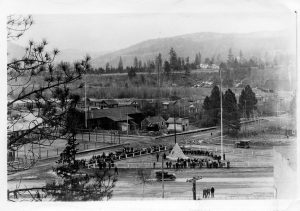 Remembrance Day circa 1930
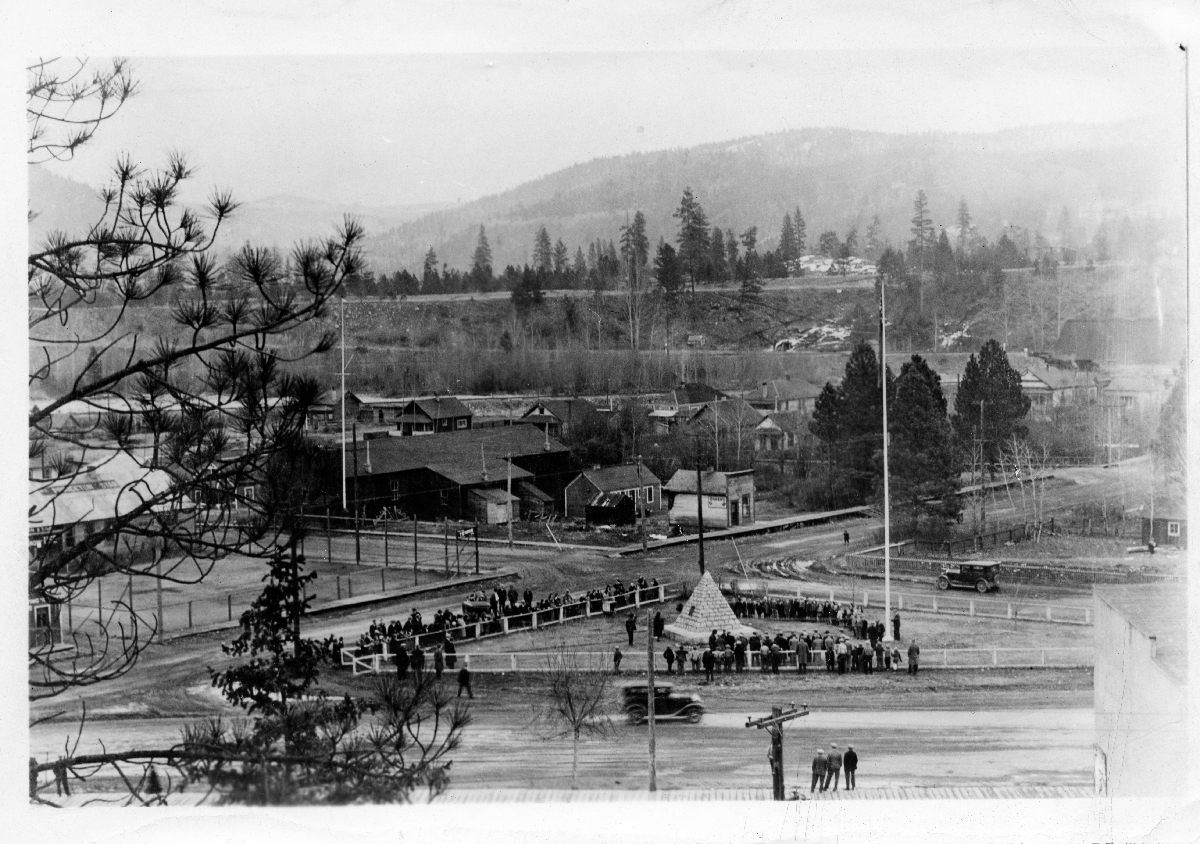
The Cenotaph Unveiling
On November 11, 1926, the town held an Armistice Day ceremony, which is now referred to as Remembrance Day. Veterans marched alongside singing school children. The children were said to have known all the words to every song, which could not be said for the adults who joined in with heartfelt enthusiasm.
The official unveiling of the Cenotaph was a long awaited honour. The person of honour that revealed the new Cenotaph Memorial was Princeton’s longest standing resident, Susan L. Allison.
At 10:40, the Union Choir started Armistice Day with a rendition of ‘Nearer My God to Thee’. At 10:45, Susan Allison removed the draped flag, revealing the new Princeton Cenotaph Memorial. Shortly after, Reverend Mr. Elkington praised the hard work completed by the community. He gave a speech on the importance of loving your country and accomplishing something that benefits said country that you can be proud of. The ceremony concluded with the singing of ‘O Canada’ and ‘God Save the King’.
A Century of Memory
A hundred years later, the Princeton Cenotaph still stands as a symbol of remembrance, resilience, and community spirit. It exists today because veterans refused to let their fallen brothers become statistics, because townspeople gave what little they had, and because leaders stepped forward when the project seemed lost.
We do not live forever in our bodies, but in the memories of those who keep our stories alive. Thanks to the ex‑service men, the Princeton Memorial Association, and the countless volunteers and donors who believed in the cause. The names on the Cenotaph continue to be spoken, honoured, and remembered.